Critical loophole remains a threat to the coastline and public beaches
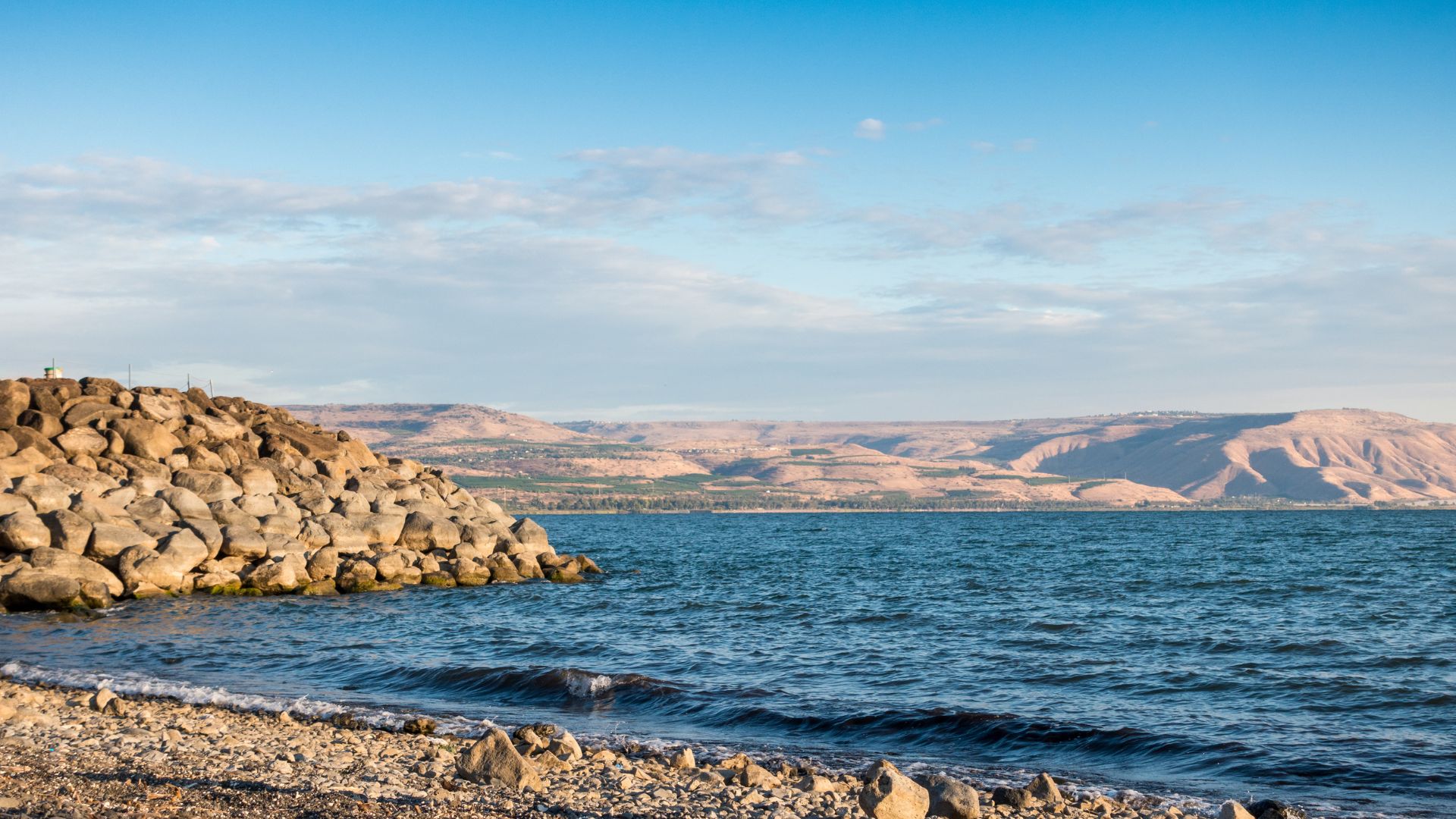
The Coastal Protection Law of 2004 was a landmark achievement in safeguarding Israel’s coastal environment. It imposed restrictions on construction along the coastline, both on land and at sea, and established the public’s right to access beaches. However, a critical loophole remains: the law does not apply retroactively to development plans approved before its enactment, leaving many outdated and environmentally harmful projects untouched.
A Law with a Blind Spot
Despite its success in regulating new construction, the law exempts pre-2004 plans from its provisions. This means projects approved decades ago – based on outdated planning standards – can still move forward, often in ways that harm the environment and public access. Notable examples include hotel developments at Lido Beach in Ashdod and Acre Beach, where construction as close as 60 meters to the sea continues unchecked.
A Changing Reality
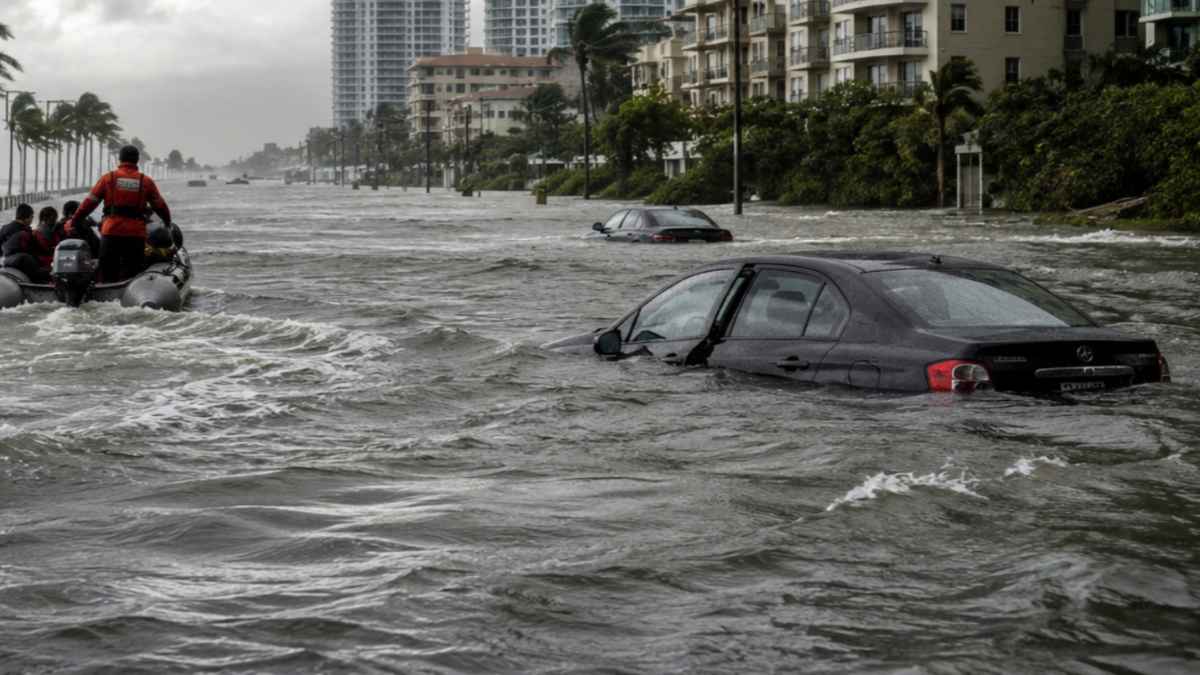
Israel’s growing population, the climate crisis, rising sea levels, and an extended summer season have increased the pressure on coastal areas. This makes it more urgent than ever to prevent development driven by obsolete plans that fail to consider modern environmental and public needs.
The State Comptroller’s 2013 report highlighted this gap: “Plans may not reflect new needs and planning insights due to legislative changes and evolving environmental considerations. This is particularly true for Israel’s coastal areas, where recent policy and legal changes underscore the need to protect the coastline.”
Proposed Amendments: Closing the Gap
Adam Teva V’Din is promoting an amendment to the Coastal Protection Law to address these shortcomings. The proposal includes mandating a comprehensive review of pre-2004 plan in relation to the law’s principles and current planning policies and practices. Our amendment also calls for adjusting or cancelling approved plans that have not been initiated, by way of compensation (alternative rights or financial settlements). These two changes would strengthen the law’s effectiveness in the long and short-terms.
The State Comptroller also supports such mechanisms, recommending periodic reviews of old plans to ensure they remain relevant in light of current needs and challenges.
Protecting Our Coast for the Future
Israel’s coastline is a precious and finite resource. To truly safeguard it, the Coastal Protection Law (2004) must evolve to address its current blind spots and threats from over-construction and sea level rises. By ensuring all development aligns with modern environmental standards, we can secure our beaches for future generations.